
Utah Arrest Warrants in Sevier County Require a Court Finding
In Sevier County, a magistrate can issue an arrest warrant instead of a summons. Utah Code §77-7-5 sets the conditions. Probable cause must exist. The magistrate also needs a statutory reason to prefer a warrant, such as securing the person's appearance or protecting a person, property, or public safety. Rule 6 supplies the broader criminal procedure framework. Those rules explain when an order may issue. They cannot tell you whether a particular warrant is active today. The court reviews the application and signs the order, though a public case summary may show only part of the material behind it, especially when an affidavit is sealed.
Arrest Warrants in Sevier County
An arrest warrant is a court order. It authorizes an officer to take a named person into custody. Utah law demands probable cause plus a reason to use a warrant rather than a summons. The application may include a complaint or affidavit for a judge or magistrate to review. Once signed, the order can name the issuing authority, the alleged offense, and an agency or transport instruction where those details are public. In Sevier County, the court that issued the warrant still controls the case. A BCI name result can flag a possible entry. It will not expose every document or confirm release terms, so the Sevier County clerk remains the better source.
Sixth District Court Handles Sevier County Felony Files
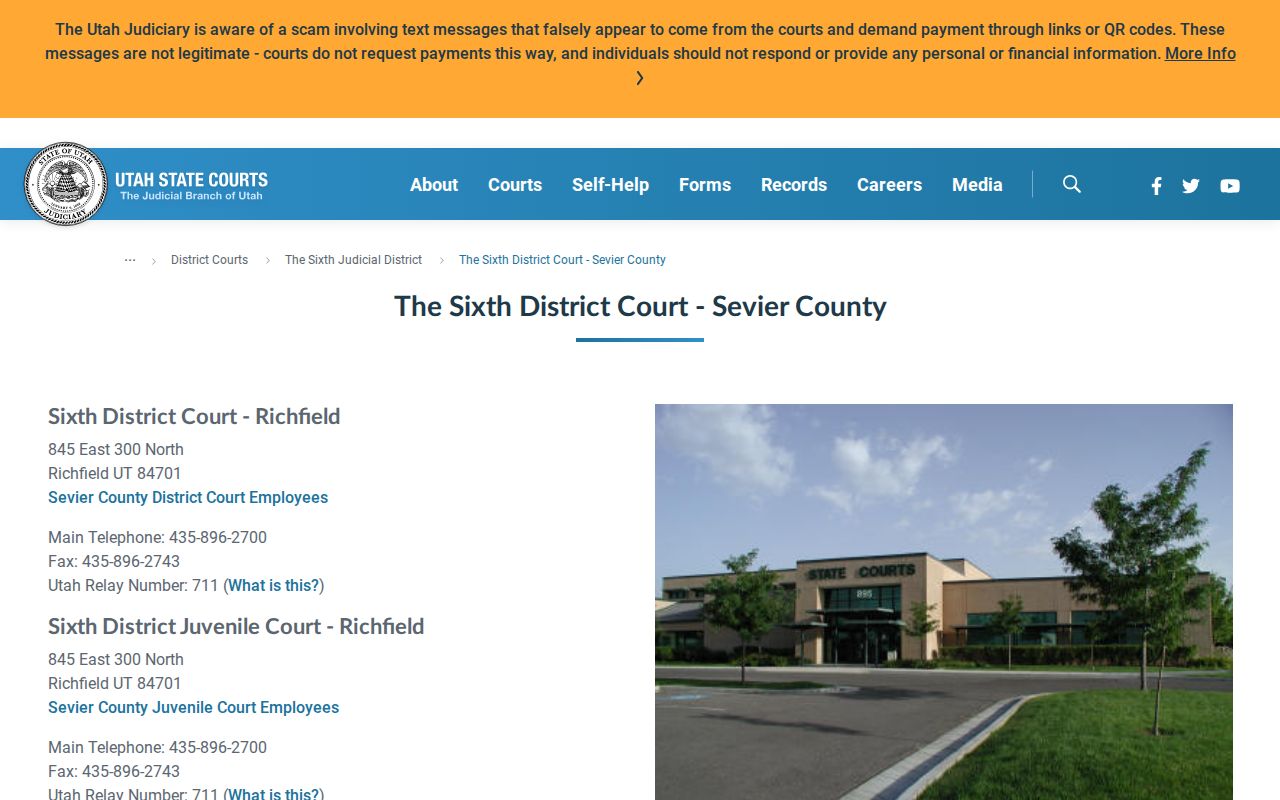
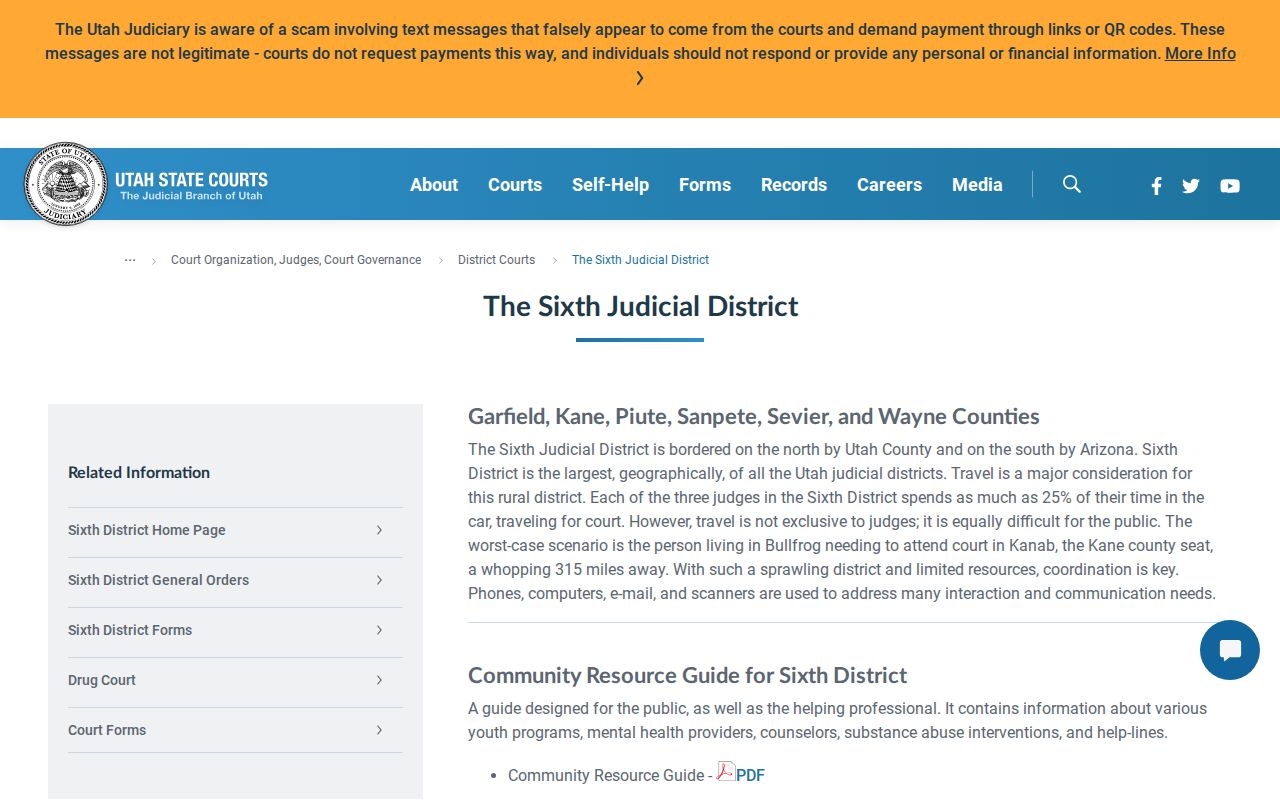
Sixth District Court in Richfield handles Sevier County felony and class A misdemeanor files. The court's official page lists the courthouse at 845 E 300 N and phone 435-896-2700. Justice Court takes limited-jurisdiction matters, and the citation or case result shows which clerk holds the file. The Sixth District Sevier page is a contact source, not a public warrant roster. The page displays the court's official location details.
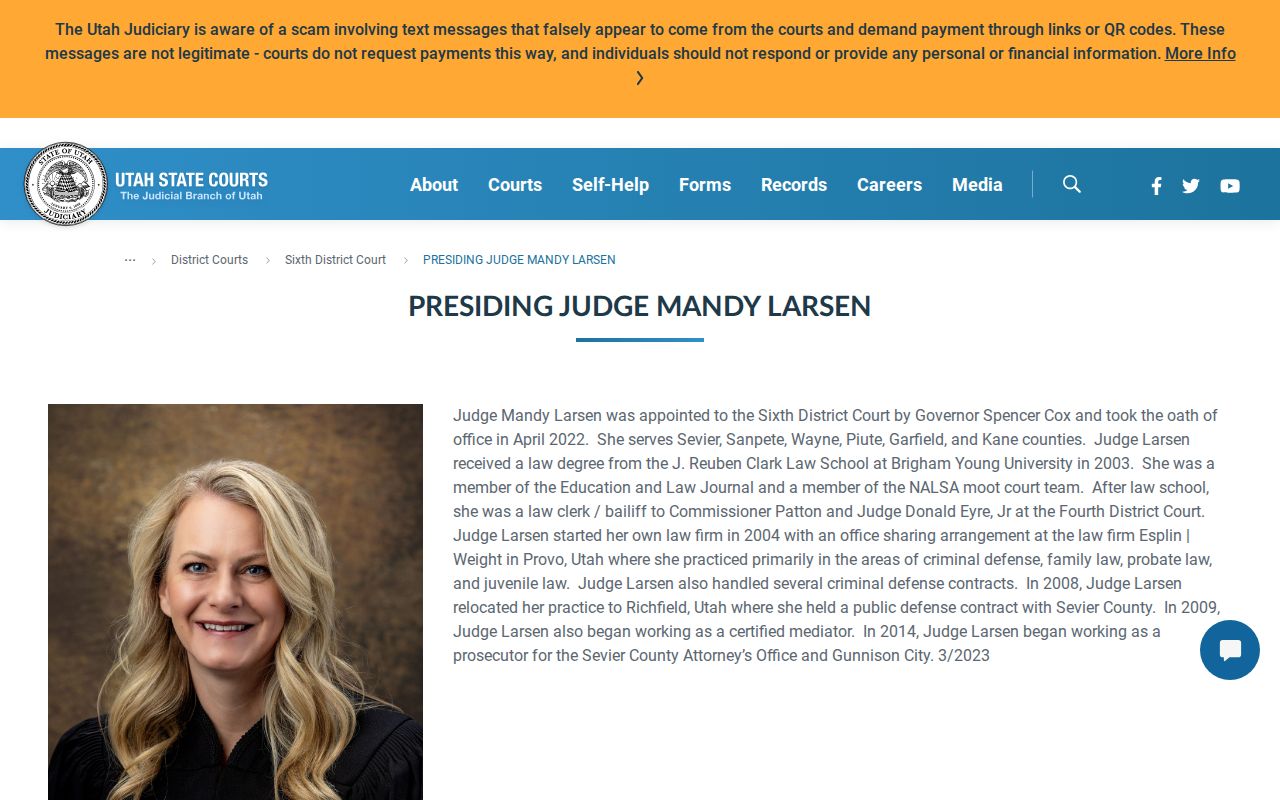
A public Sixth District judicial biography offers court-system background. It is not a Sevier County warrant listing or a case-status source.
Use the court named in the case, even when another agency serves the order.
What a Sevier County Arrest Warrant Contains
A warrant's underlying document may hold more detail than any public search. BCI and Xchange can show a partial view. A restricted affidavit may not be available at all. Sevier County publishes no standard warrant-number format and no fixed bond field. Ask the clerk which fields exist in the specific case.
| Identifier | Format not confirmedUse the court case or warrant reference provided by the clerk. |
|---|---|
| Named person | Public fields may include a name and other identifiers; confirm a possible match with the court. |
| Charge or offense | A public case summary may show the classification; sealed material can be withheld. |
| Issuing judge or court | Use the court name to find the clerk responsible for the case. |
| Bond or release | Ask for current terms; this site does not publish an unverified amount. |
| Issue date and status | Request confirmation of issue, service, recall, or pending update. |
Sevier County Arrest-Warrant Records May Be Partial
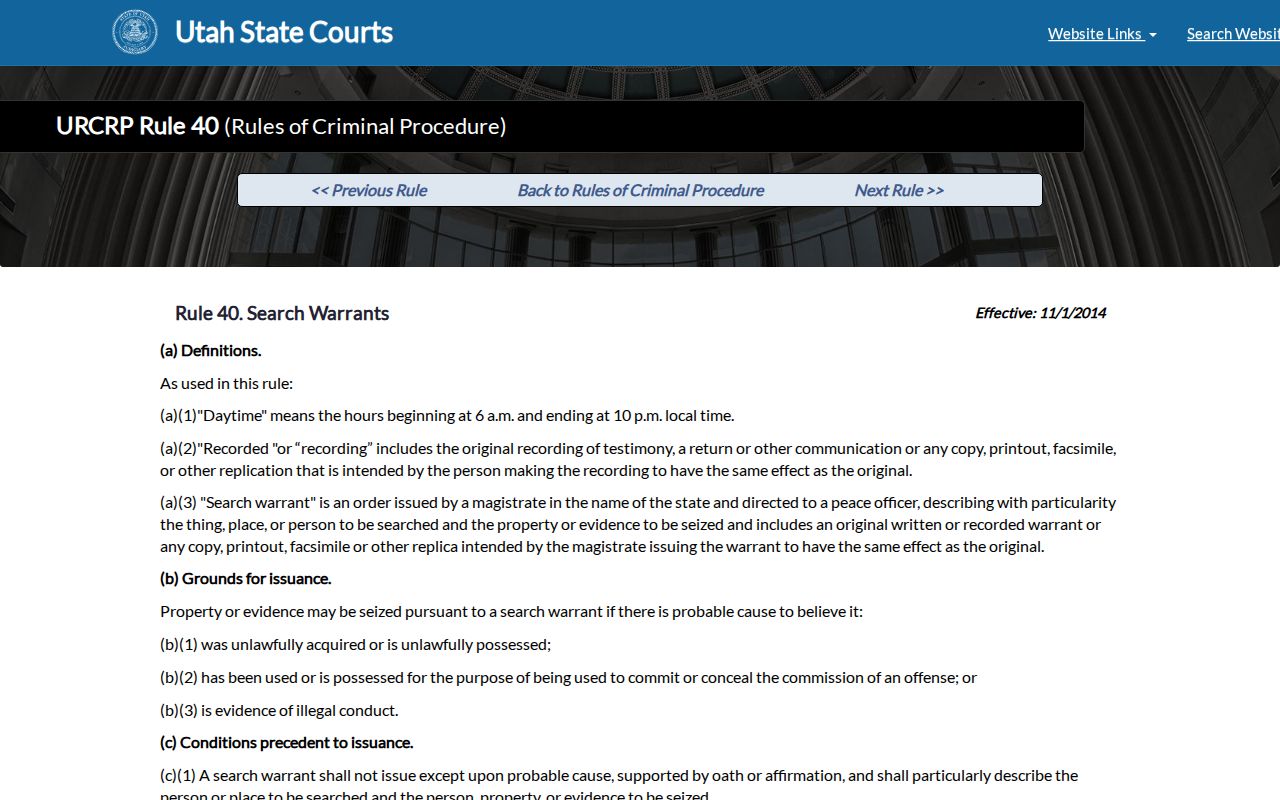
A warrant form can list the issuing authority, charge, judge, date, serving agency, bond or release terms, and transport details. A public screen may show only some of them. The Utah Courts non-public record guidance explains that juvenile, private, protected, sealed, and expunged material is not freely searchable. Rule 40 governs search warrants. Those can carry their own sealing and public-release timing. The Utah Rule 40 page shows how a search-warrant process differs from a public Sevier County arrest-warrant check.
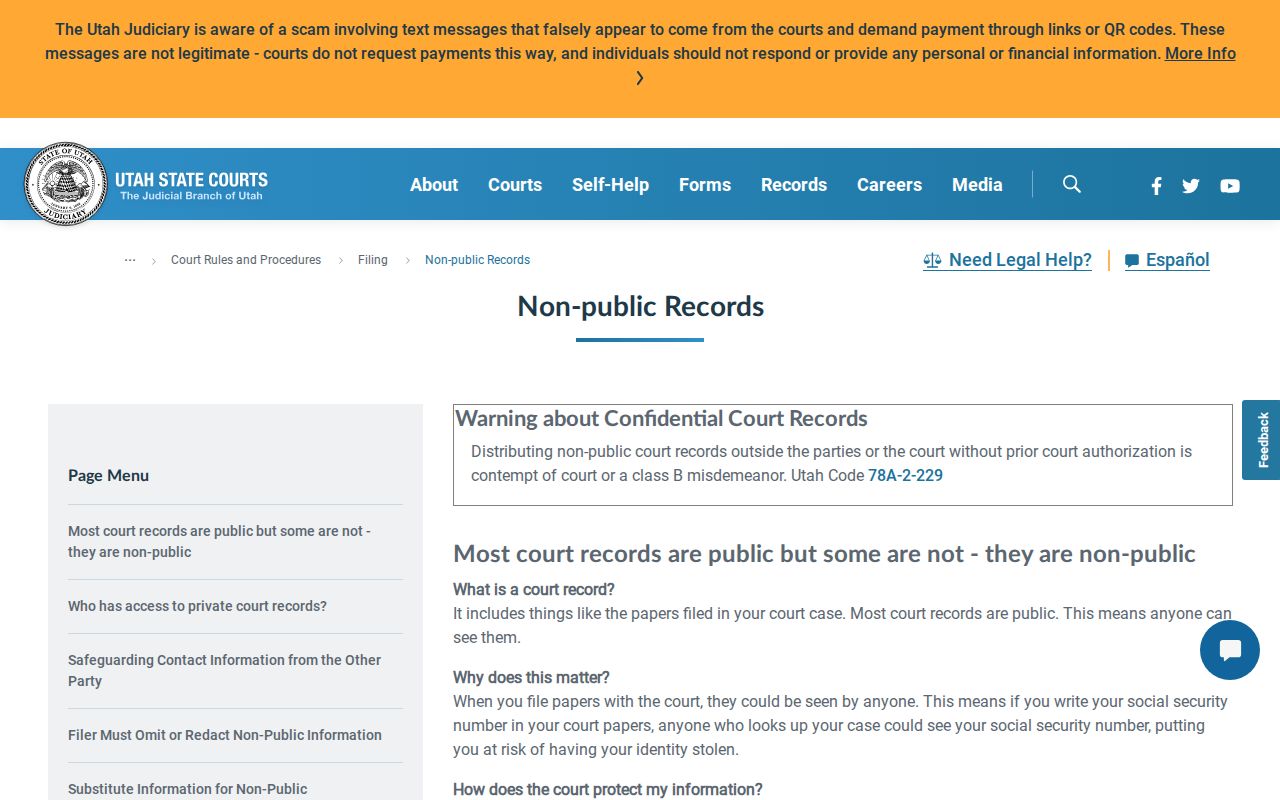
The courts' public access guidance also summarizes limits for protected and non-public case material.
Ask the Sevier County court what it can release in the case rather than guessing from a blank field.
How Sevier County Arrest Warrants Are Served
Issuance and service are different jobs. The court makes the order. Sheriff's deputies, municipal police, Utah Highway Patrol, or another peace officer may serve it or encounter it within their authority. Sevier County posts no warrant-unit line or active roster. A general agency phone is not a warrant desk. After an arrest, custody and court procedures follow the issuing order and applicable law. Ask the court or counsel about the next appearance, bond, and release terms. Service routes and bond windows vary by case, so confirm current details with the Sevier County clerk.
Sevier County Warrant Service Has Several Agencies
The Sixth District spans six counties. Its justice judges assist law enforcement with warrants across that broad area. In Sevier County, the court named on the case still controls the order. An authorized officer serves it. That split explains why a sheriff contact cannot answer every court-status question, and why a clerk cannot confirm every custody detail. The Sixth District page lays out the district's geography and offers court-system context, not a warrant count.
Keep the issuing court, serving agency, and custody office as separate contacts.
Arrest Warrants, Summonses, and Bench Warrants in Sevier County
Utah procedure sometimes uses a summons instead of an arrest warrant. A bench warrant is different. It follows a missed court obligation. In Sevier County records each can appear, though the triggers and next steps differ. Read the order and call the issuing court.
| Feature | Arrest Warrant | Summons | Bench Warrant |
|---|---|---|---|
| What it requires | Officer may take the named person into custody | Person must appear as directed | Person returns to court after a missed obligation |
| Basis | Probable cause and statutory need for a warrant | Court or officer directs an appearance | Failure to appear or comply in a pending matter |
| Who issues | Judge or magistrate | Court process | Judge handling the case |
| Response | Confirm terms with counsel and the issuing court | Attend by the stated date | Ask about a hearing, reset, or recall motion |
Federal Warrants Sit Outside Sevier County's State Search
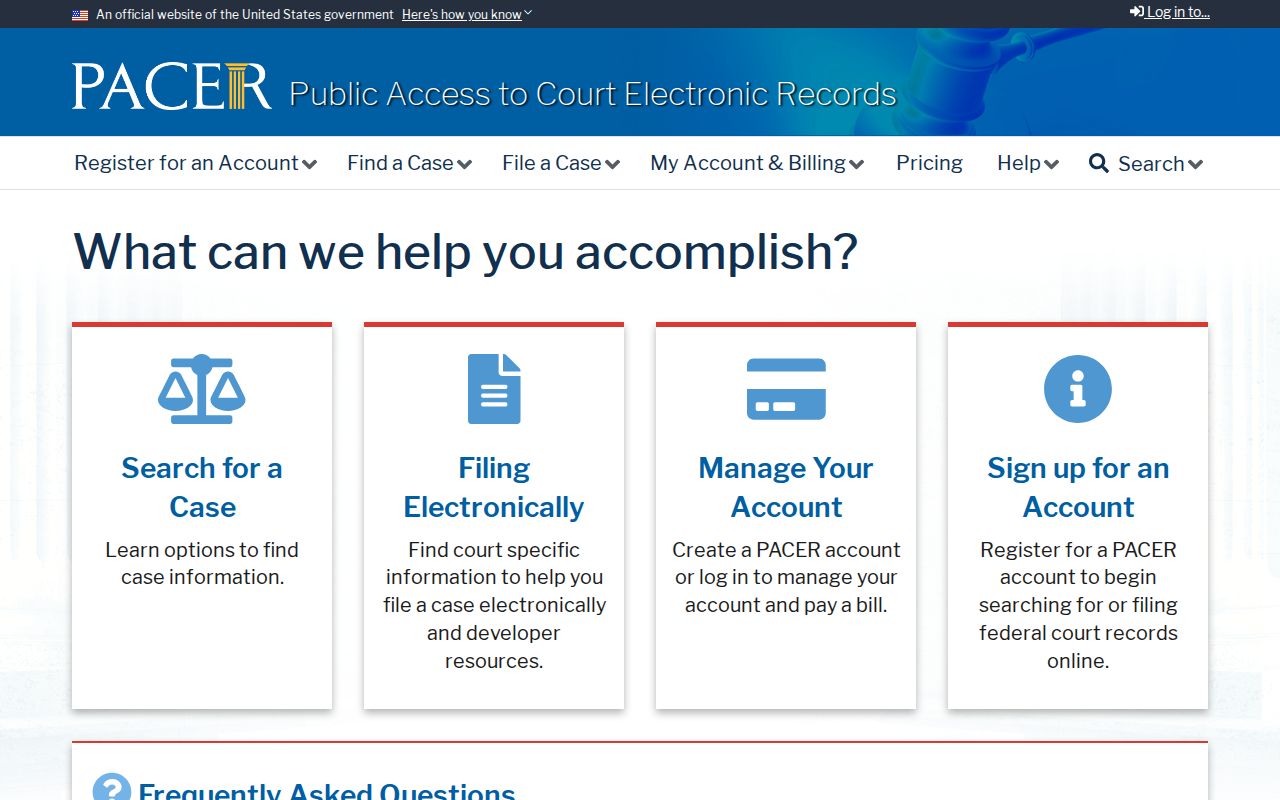
Federal warrants stay in federal hands. They run through federal court and law-enforcement channels, not the Utah Statewide Warrants file. PACER is not a live warrant self-check. It searches federal case dockets, and the U.S. Marshals Service has a separate District of Utah role. A blank BCI result settles nothing federally. Use the official PACER case-search service for public federal docket material, keeping its account and fee rules in mind. The interface shows federal dockets, not Sevier County warrants.
For a federal warrant question in Sevier County, ask federal counsel or the federal office involved, not the county clerk.
What to Do If There Is a Sevier County Warrant for You
Check your own name through BCI first. Then find the issuing court with Xchange or your paperwork. In Sevier County, the clerk can tell you if the warrant is active, whether it has been served or recalled, and when the next hearing sits. Ask whether bond or a motion is required. A lawyer can weigh voluntary surrender and request a recall or quash. No local office publishes one walk-through process for every warrant.
Important: Speak with a Utah attorney and the issuing court before appearing; confirm current bond or release instructions instead of relying on an old screen.